
Bioinformatics
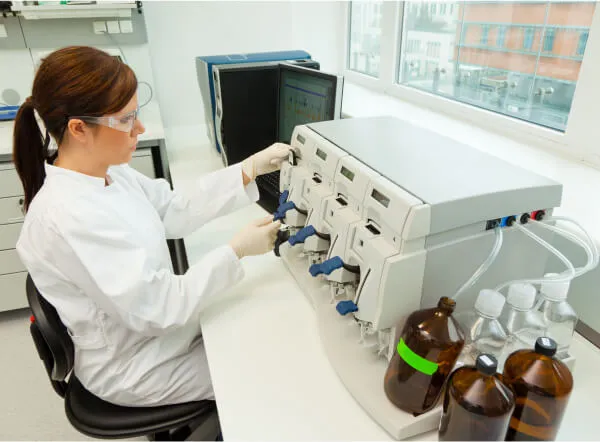
The term bioinformatics refers to the use of computers to manipulate biological information. Read on to learn more about this unique field of study, including educational requirements, career outlook and earnings for biochemists and biophysicists.
<h2 id="section---IsBioinformaticsForMe">Is Bioinformatics for Me?</h2>
<p>Professionals who work in bioinformatics use their understanding of biological information and computer science to manage and process scientific data, such as information related to the human genome and the structural components of proteins. Due to the interdisciplinary nature of the field, you'll be able to tailor your area of emphasis according to your interests, which may include <a class="external" href="https://learn.org/articles/Biochemistry_Degree_and_Training_Programs_Answers_to_Your_Questions.html">biochemistry</a>, <a class="external" href="https://learn.org/articles/Biophysics_Career_and_Salary_FAQs.html">biophysics</a>, algorithms, computer programming and database management - all of which are key components of the field. An interest in biology and proficiency in math and the use of computers and other technological devices are essential to pursuing a career in bioinformatics.
</p>
<h3 id="section---EmploymentAndSalaryInformation">Employment and Salary Information</h3>
<p>According to the U.S. Bureau of Labor Statistics (BLS) in May 2013, employment opportunities for <a class="external" href="https://learn.org/articles/Biochemistry_5_Steps_to_Becoming_a_Biochemist_in_5_Steps.html">biochemists</a> and biophysicists, two of the positions closely involved with bioinformatics, earned average annual salaries of $91,640. As of the same month, the average annual salary of <a class="external" href="https://learn.org/articles/Microbiology_How_to_Become_a_Microbiologist_in_5_Steps.html">microbiologists</a> was $75,230. Between 2012 and 2022, employment opportunities for biochemists and biophysicists were expected to increase by 19% nationwide, or faster than average, from 2012-2022 (<i>www.bls.gov</i>).
</p>
<h2 id="section---HowCanIWorkInBioinformatics">How Can I Work in Bioinformatics?</h2>
<h3 id="section---Education">Education</h3>
<p>Due to the complexity of the field, an advanced <a class="external" href="https://learn.org/articles/Bioinformatics_Degree_Programs_Your_Questions_Answered.html">degree in bioinformatics</a> is usually required to work in the field. Undergraduate preparation might include completion of a bachelor's degree program in <a class="external" href="https://learn.org/articles/Bachelors_Degrees_in_Microbiology_Online_Program_FAQs.html">microbiology</a>, <a class="external" href="https://learn.org/articles/Bachelor's_Degree_in_Computer_Science%3A_Online_Degree.html">computer science</a> or a similar course of study. In addition to campus-based offerings, some master's degree programs in bioinformatics may be available <a class="external" href="https://learn.org/articles/Bioinformatics_Online_Masters_Degree.html">online</a>. While completion of a master's degree program may qualify you for some research positions, a Doctor of Philosophy (Ph.D.) will be needed to teach at the college level.
</p>
<p>Coursework in bioinformatics typically includes topics in advanced math, computer programming, logic and molecular biology. You may also study biochemistry, biophysics, statistics and genetics.</p>
AD